Leopard Go with Football Name Sign SVG
A Designer’s First Look: Bold, Playful, and Ready for Real Stitching
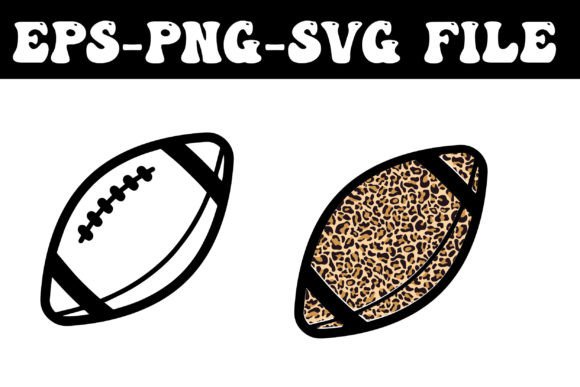
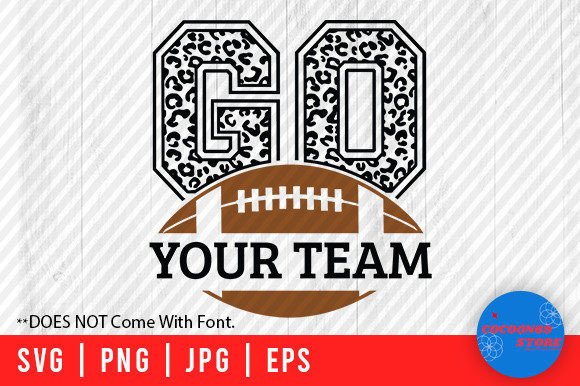
When I opened Leopard Go with Football Name Sign SVG, my first thought wasn’t “cute” or “trendy”—it was “this has presence.” The leopard print background isn’t subtle; it’s confident, rhythmic, and visually grounded. Overlaid with a clean football motif and space for a name, the layout feels intentional—not overcrowded, not sparse. It reads instantly as spirited but not chaotic: perfect for a custom embroidered tote bag I’m prepping for a local youth sports boutique. As an embroidery designer who tests dozens of digital embroidery files each month, I appreciate when a design doesn’t force me to over-edit just to make it stitch cleanly.
Where This Design Shines in Real Projects
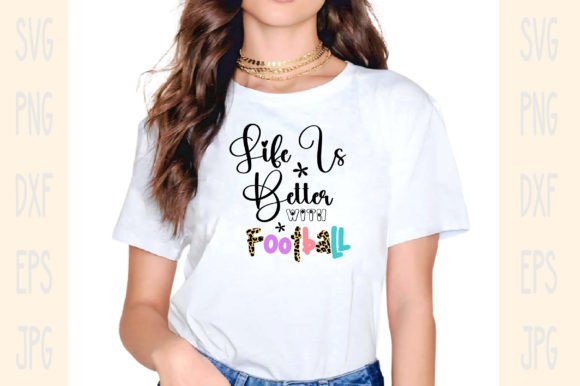
Leopard Go with Football Name Sign SVG lands strongest where personality meets practicality. Think sweatshirt embroidery for a little league coach’s gift, baby embroidery on a soft cotton onesie (paired with gentle stabilizer), or a stitched patch sewn onto a denim apron for a football-themed bakery pop-up. It works beautifully as a tote bag design—especially on medium-weight canvas—because the bold leopard texture balances the clean lines of the football and lettering without competing. As a commercial embroidery file, it holds up well in small shop product listings: Etsy sellers can pair it with a printable mockup showing the design on a navy crewneck or heather grey towel, and customers immediately “get” the vibe—fun, sporty, handmade.
For holiday embroidery or personalized gifts, this design adds instant charm without requiring intricate detail work. Unlike delicate script-based name signs, Leopard Go with Football Name Sign SVG keeps readability high even at 3.5" wide—a sweet spot for caps, pillow covers, and tea towels. And because the football element is stylized rather than photorealistic, it avoids looking dated next season. That matters for craft business owners building a cohesive seasonal collection.
Where to Proceed with Care
This isn’t a one-size-fits-all embroidery file—and that’s okay. On stretchy fabric like jersey knits or thin cotton tees, the leopard background’s repeat pattern can blur under tension if stabilizer isn’t layered thoughtfully. I’d skip using it on curved surfaces like structured caps unless you’re stitching on a flat panel (e.g., the front of a snapback) and have tested hoop size compatibility first. Tiny lettering in the name field? Fine at 10–12 pt equivalent, but avoid shrinking below that—you’ll lose clarity in satin stitch definition and risk thread nesting.
Dense fill stitch areas in the leopard spots also mean higher stitch density. That’s great for visual impact on a sweatshirt, but on lightweight linen or unbleached muslin, it could cause puckering without proper cutaway stabilizer. And while the design scales well, avoid pushing it too large on textured fabrics like terry cloth or bouclé—the football outline may soften at the edges. For dark fabric, test thread colors early: a warm charcoal or deep burgundy works better than black-on-black for depth and dimension.
What It Adds to Your Finished Product—Beyond Aesthetics
Using Leopard Go with Football Name Sign SVG elevates perceived value. Customers recognize effort—not just in the personalization, but in how confidently the design carries itself. It signals intentionality: this isn’t a generic clipart download. That builds trust, especially for Etsy sellers or boutique brands positioning themselves as curated, design-forward. Visually, it supports brand consistency when used across product types—say, matching embroidered patches and kitchen towels for a themed gift set.
It also improves giftability. A parent ordering a personalized baby embroidery piece with this design isn’t just buying a onesie—they’re buying a story: team spirit, playfulness, warmth. That emotional resonance translates directly to buyer engagement and repeat orders. And because the SVG, PNG, EPS, and JPG files are included in high resolution, it’s easy to adapt for digital product previews or social media assets—no pixelation, no reworking.
Practical Notes Every Embroidery Designer Should Check
- Test first: Run a sample on scrap fabric matching your final project’s weight and stretch—especially before committing to a client order.
- Stabilizer matters: Use medium-weight cutaway for knits, tear-away for stable wovens like cotton duck or twill.
- Review stitch density: If your machine hesitates on dense fills, consider simplifying background spots slightly—or embrace the texture as part of the charm.
- Confirm licensing: Since this is listed as a digital embroidery file for Crafts and Graphics, verify whether commercial use (e.g., selling finished embroidered patches) is permitted before listing on your own shop.
- Mock it in context: Drop the PNG into a black-and-white printable mockup to assess contrast and legibility—don’t rely solely on screen color.
- Check corner details: Zoom in on the football’s laces and leopard spot edges—clean vector lines here mean crisp satin stitch results.
Final Thought: A Confident Choice for Purpose-Driven Making
Leopard Go with Football Name Sign SVG won’t suit every project—but that’s its strength. It’s designed for makers who want to say something specific: spirited, grounded, joyful, and unmistakably handmade. Whether you’re a small shop owner curating a back-to-school line, an apparel decorator adding flair to custom gear, or a hobbyist stitching a birthday gift for a young fan, this design delivers clarity, character, and real-world stitchability. Just remember: great embroidery starts not with the file alone, but with how thoughtfully you meet it where it lives—in fabric, thread, and intention.