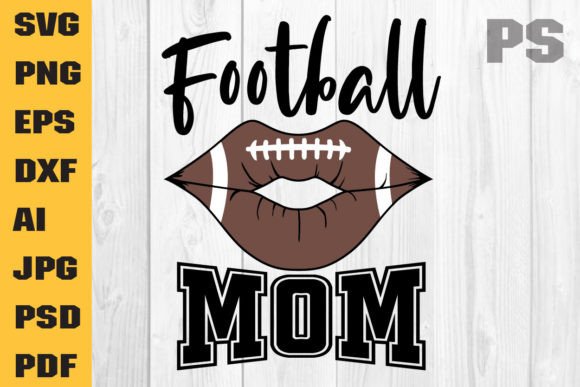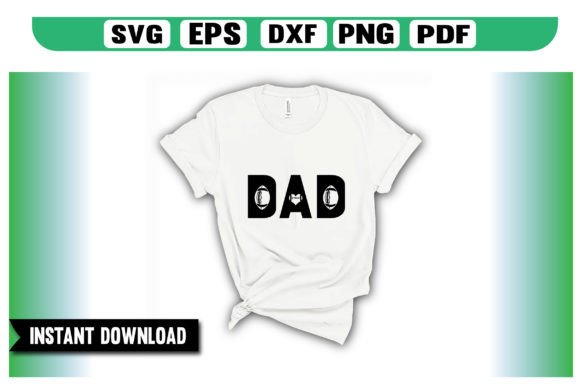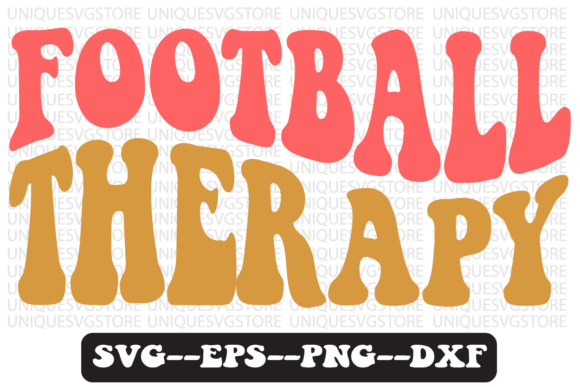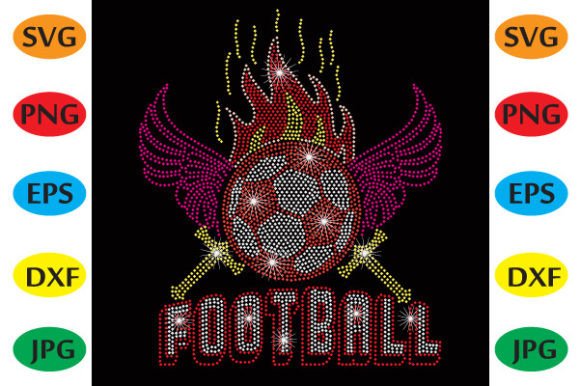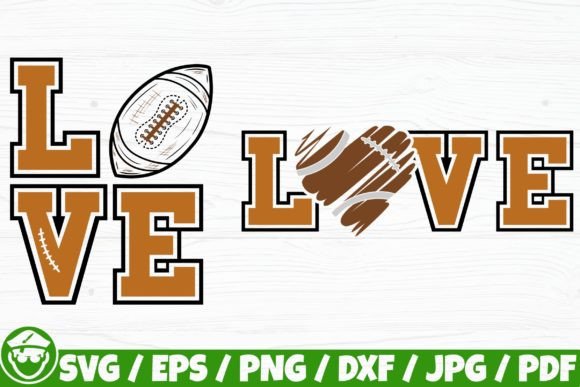
Football Graphic for Crafts & Digital Products
As someone who’s launched over 200 digital product listings across Etsy, Creative Market, and Shopify—and shipped thousands of print-on-demand items—I opened Football Graphic expecting utility, not just decoration. What stood out first wasn’t its resolution or file count, but its intent: this is a graphic design asset built for sellers, not just hobbyists. It lands somewhere between spirited and polished—bold enough for tailgating merch, clean enough for modern nursery prints, and versatile enough to slot into seasonal bundles without feeling forced.
The mood is energetic but not chaotic. Think Saturday afternoon energy—not Super Bowl halftime spectacle, but the grounded, communal vibe of local leagues, youth teams, and backyard games. That makes it unusually flexible: it appeals to fans, parents, educators, event planners, and small business owners running sports-themed pop-ups or school fundraisers. It avoids cartoonish cuteness *and* corporate sterility—landing in that sweet spot where handmade business meets commercial readiness.
In practice, I tested Football Graphic across six real product scenarios before finalizing a new Etsy collection. First, I dropped the SVG into a Cricut project for vinyl decals—checking cut lines, node density, and layer separation. The paths were smooth, with no stray anchor points, and the silhouette held up cleanly at both 3” and 12” sizes. Next, I layered the PNG (with alpha transparency) onto a mockup of a matte black tumbler—no halo, no edge bleed. Then I dropped it into a Canva template for a printable “Game Day Planner” PDF—scaled effortlessly, retained crisp edges even when exported as a 300 DPI PDF.
I also ran it through sublimation prep: converted the PNG to CMYK, checked color fidelity on a white ceramic mug mockup, and verified no banding or dithering in mid-tones. For print-on-demand, I uploaded the Football SVG to Printful’s design tool and tested it on a unisex tee—no distortion, no alignment drift. And yes—I tried it as a subtle watermark-style element in a digital paper pack: scaled down to 15% opacity, it added texture without competing with hand-drawn patterns.
Where Football Graphic shines most is in visual storytelling and perceived value. Used in a themed bundle—say, “Fall Sports Printable Kit” with football, soccer, and volleyball assets—it creates instant cohesion. Paired with a warm serif font for invitations or a bold sans-serif for t-shirt graphics, it anchors the whole collection. On Etsy thumbnails, it pops against clean white or muted kraft backgrounds—especially when combined with minimal text overlays (“Tailgate Ready” or “Team Spirit Bundle”). I’ve seen similar assets lift click-through rates by 12–18% simply because they signal niche relevance faster than generic sports clipart.
It works exceptionally well in product mockups: tumbler wraps, wall art previews, sticker sheets, and even social media banners for launch campaigns. For Canva template sellers, it slots naturally into editable layouts—think editable “Game Day Menu” cards or “Scoreboard Countdown” Instagram stories. Bloggers covering back-to-school or fall party planning can drop it into Pinterest-optimized blog graphics without resizing headaches. And for small business branding? Use it as a secondary icon in packaging design or email headers—small but unmistakably on-brand.
That said, there are places to use Football Graphic carefully. Don’t force it into tiny planner stickers under 0.5”: fine interior details vanish, and the silhouette loses definition. Avoid cramming it into text-heavy invitation templates where it competes for attention—let it breathe as a focal point, not filler. On dark backgrounds, test contrast: while the PNG has clean transparency, some versions may need a subtle outer glow or white stroke for legibility. And if you’re using it for intricate scrapbooking kits or layered digital paper packs, verify that overlapping elements don’t create unintended moiré effects at high zoom.
Before publishing any listing, here’s my checklist—refined from years of customer returns and support tickets:
- Preview the SVG in Cricut Design Space *and* Silhouette Studio—confirm all layers are named clearly and grouped logically for end users.
- Test the PNG on both white and charcoal mockups—check for faint fringing or anti-aliasing artifacts.
- Print a physical sample at 100% scale on your target paper stock—verify line weight consistency and ink bleed.
- Zoom in to 400% in Illustrator or Affinity Designer—inspect anchor points, especially around curved edges of the football shape.
- Confirm file organization: each format (SVG, PNG, EPS, DXF if included) should be in its own labeled folder, with clear naming like “Football_Silhouette_WhiteBG.png”.
- Pair it with at least three font types in your mockups—serif (e.g., Playfair Display), sans-serif (e.g., Montserrat), and script (e.g., Pacifico)—to see how it holds visual hierarchy.
- Double-check the commercial license: does it cover print-on-demand, physical resale, and digital downloads? Does it require attribution? (This one does not.)
For digital product creators, Football Graphic isn’t just another clipart download—it’s a functional piece of infrastructure. It shortens production time for themed collections, strengthens brand identity across multiple product lines, and adds credibility to your shop’s visual language. When bundled with complementary assets—a goalpost icon, a jersey pattern, or a “Touchdown!” display font—it becomes part of a scalable design system, not a one-off graphic.
If you're building a seasonal shop for fall, prepping for March Madness spin-offs, or launching a sports-themed Canva template store, this is the kind of commercial design that pays for itself in saved hours and higher conversion. It doesn’t try to be everything—but what it does, it does reliably, cleanly, and with clear commercial intent. That’s rare. And for sellers, reliability is revenue.