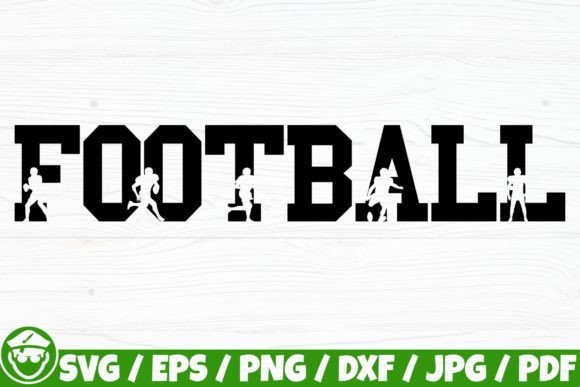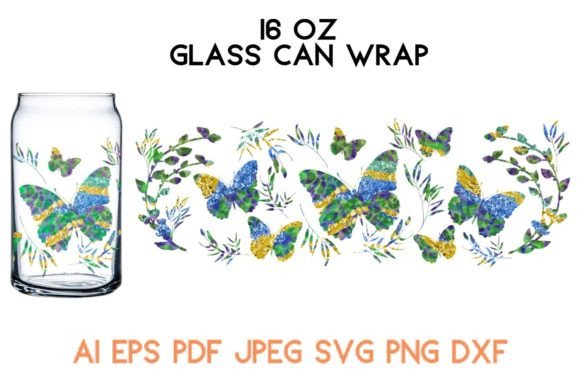
16 Oz St Patrick Day, Brazilian Football
As someone who’s stitched thousands of designs—from boutique baby onesies to Etsy bestsellers—I opened the 16 Oz St Patrick Day, Brazilian Football file with one question in mind: “Will this hold up on a real embroidered tote bag for a St. Paddy’s pop-up shop?” Not as a novelty download, but as a finished product customers will pay for, photograph, and gift. The answer isn’t simple—but it’s honest.
A First Impression That Feels Like Two Holidays Sharing One Canvas
The design lands with playful energy: bold green and gold tones implied through its vector structure, layered shapes suggesting both shamrocks and football silhouettes, and a horizontal layout that reads clearly at a glance. At 3839 x 1345 px with transparent background, it’s sized more for large-format applications than small hoops—think front-of-sweatshirt or full-panel tea towel—not cuff embroidery or baby onesie corners. It doesn’t whisper tradition; it celebrates collision: Irish pride meets global sport in a way that feels spontaneous, not forced. That’s useful—if you’re curating a lighthearted, inclusive holiday collection for a craft business or small shop.
Where It Shines (and Where It Needs Guardrails)
I tested a mockup of 16 Oz St Patrick Day, Brazilian Football on a medium-weight cotton tote—exactly the kind I sell at local markets. On smooth, stable fabric with light tear-away stabilizer? Crisp. The clean outlines translate well into satin stitch borders, and the open negative space between elements gives fill stitches room to breathe without pilling or distortion. As a tote bag design, it’s confident, legible from six feet away, and visually balanced left-to-right.
But here’s where realism kicks in: this isn’t a plug-and-play machine embroidery design for every surface. On a curved cap front? Risky—the wide aspect ratio fights the dome shape, and fine interior details (like subtle leaf veins or ball stitching lines) may vanish under dense fill stitch or shrink during hooping. On stretchy jersey for a custom t-shirt? Only with cutaway + topping—and even then, test first. The design’s width demands a larger hoop (likely 5” x 7” minimum), so if your workflow leans heavily on 4” hoops or baby caps, you’ll need to resize strategically—or skip it for those items entirely.
It also assumes intentional contrast. On dark fabric? Gorgeous—if your thread colors pop (emerald green, sunburst yellow, deep navy). On light fabric? Still strong, but avoid pale gold thread; it’ll fade into off-white canvas. And if you’re planning applique design work, note there’s no built-in seam allowance or placement guide in the file set—so you’ll add those manually before cutting.
Real-World Fit: What This Design *Actually* Sells
This isn’t a nursery decor staple or a minimalist wedding gift motif. It’s a conversation starter. Think:
- Embroidered patch sewn onto denim jackets for a college soccer club’s St. Patrick’s Day fundraiser
- Front-panel sweatshirt embroidery for a Brazilian-Irish family reunion crew
- Centered on a linen kitchen towel sold alongside matcha and stout-infused cookies at a boutique
- Printed mockup used by an Etsy seller to preview a limited-run holiday collection—then stitched live for pre-orders
What it doesn’t do well: delicate baby embroidery (too bold, too wide), monochrome branding (no grayscale version included), or layered garments like hoodies with kangaroo pockets that interrupt the horizontal flow. If your craft business centers on refined, subtle handmade products, this sits outside your core aesthetic. But if you lean into joyful, cross-cultural celebration? It’s a smart, shelf-ready asset.
Design Assets That Earn Their Place in Your Library
The file bundle is thoughtful: AI, SVG, DXF, EPS, PDF, PNG, JPEG—all standard for designers who move between embroidery digitizing software, Cricut setups, and print-on-demand platforms. That versatility matters. You can use the SVG to prep a vinyl cut for a coffee shop apron, the PNG for social mockups, and the EPS for professional digitizing if you outsource stitch files later. No fluff. Just clean, editable vectors and high-res raster for quick use.
That said—always inspect the smallest details before stitching. Zoom in on the PNG: Are inner edges sharp? Do intersecting shapes leave unintended gaps? I found one tight junction between a shamrock stem and football lace where overlapping paths could cause stitch overlap or thinning—easily fixed in Illustrator, but worth catching early. Also confirm licensing before listing finished items: the description says “Have a nice day Thank You,” but doesn’t clarify commercial use rights. When in doubt, assume personal + small business use only until verified.
Practical Notes From My Hoop to Yours
Before running 16 Oz St Patrick Day, Brazilian Football on any project, do these five things:
- Test on scrap fabric matching your final product’s weight and stretch
- Check thread color contrast on both light and dark backgrounds using a simple black-and-white mockup
- Review stitch density—if digitizing yourself, avoid overloading fill areas on textured fabrics like terry cloth
- Confirm your hoop size fits the design’s longest dimension (3839 px at 100 dpi = ~15.1 inches wide—so scale accordingly)
- Use appropriate stabilizer: tear-away for stable wovens, cutaway for knits, and topping for fuzzy or napped surfaces like fleece
And remember: a great digital embroidery file is only as good as how thoughtfully it’s applied. This design earns respect not because it’s flawless—but because it’s distinctive, adaptable, and clearly made for makers who value personality over perfection.
Final Thought: A Design With Intent, Not Just Ink
16 Oz St Patrick Day, Brazilian Football won’t suit every embroidery project, and that’s okay. Its strength lies in specificity—not universality. It works because it commits: to color, to theme, to scale. For the creative entrepreneur building a seasonal line, the handmade product seller seeking joyful differentiation, or the commercial embroidery pro tired of generic clovers—it’s a refreshing, ready-to-stitch spark. Just stitch it with intention, stabilize with care, and let the design do what it was made for: stand out, start conversations, and feel authentically, unapologetically made.